Freewater Gutters
Aluminum vs. Steel Gutters in Extreme Arizona Heat: What Lasts Longer?
In Phoenix, durability is not theoretical. It is tested daily.
Summer temperatures regularly exceed 110 degrees. UV exposure is relentless. Dust storms coat surfaces in abrasive grit. And when monsoon season arrives, intense downpours put sudden hydraulic stress on every exterior component of your home.
When homeowners consider gutter installation in Phoenix, Arizona, one question becomes central:
What is the best gutter material for Phoenix?
Specifically, when comparing aluminum gutters Arizona homeowners commonly choose versus steel systems, which material truly withstands extreme desert heat, corrosion exposure, and long-term structural stress?
The answer requires understanding how materials behave under Phoenix conditions — not moderate climates elsewhere.
Let’s break it down clearly and practically.
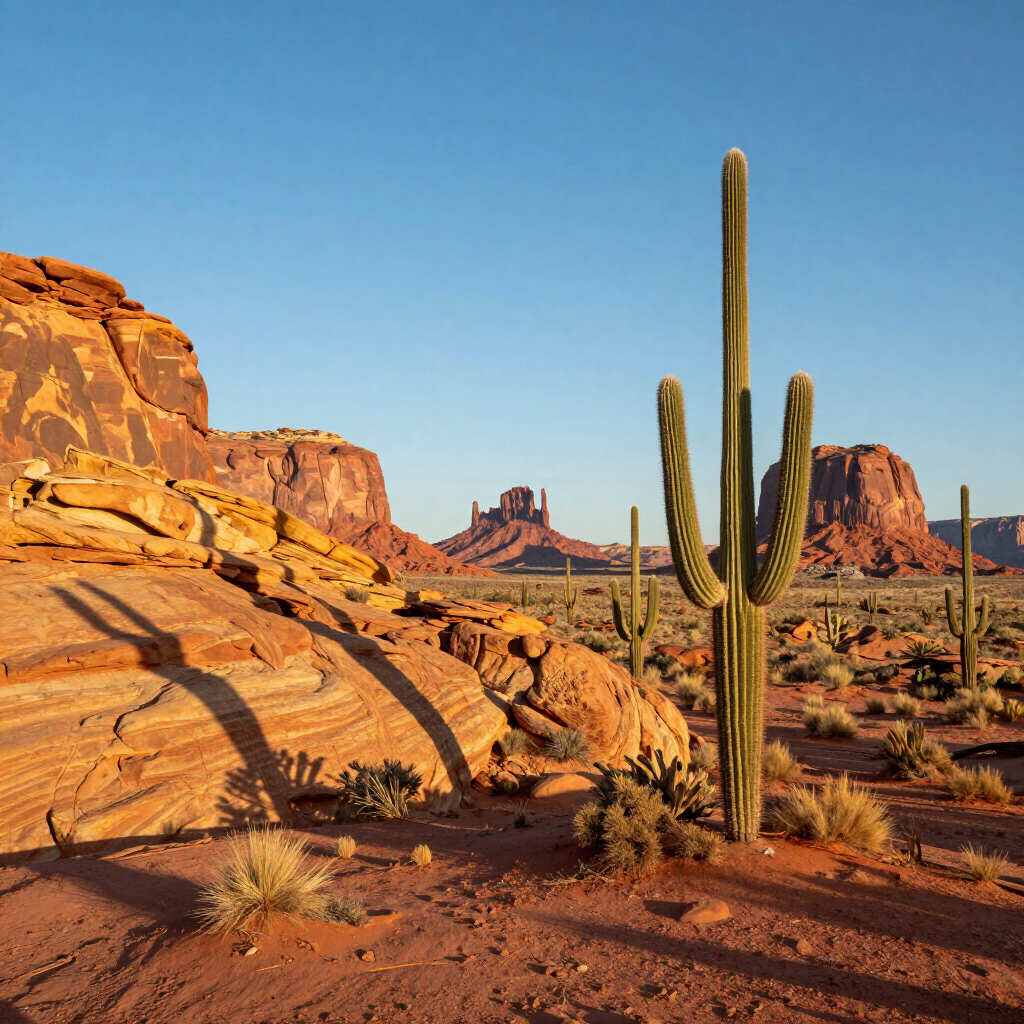
The Phoenix Environment Is Not Neutral
Materials do not exist in isolation. They respond to their environment.
In Phoenix, gutters must tolerate:
• Extreme, prolonged heat
• Rapid temperature fluctuations
• High UV radiation
• Occasional but intense water volume during monsoons
• Dust and airborne debris abrasion
When evaluating aluminum versus steel, the question is not which is stronger in a vacuum. The question is which maintains performance integrity in this specific climate over 10–20 years.
Heat Resistance: Expansion, Contraction, and Structural Stability
Every metal expands when heated and contracts when cooled. In Phoenix, that expansion cycle is aggressive. Roof-edge temperatures can exceed ambient air temperatures significantly.
Aluminum has a higher thermal expansion rate than steel. This means aluminum gutters will expand and contract more dramatically during daily temperature swings.
At first glance, that might suggest steel is superior.
However, here is where nuance matters.
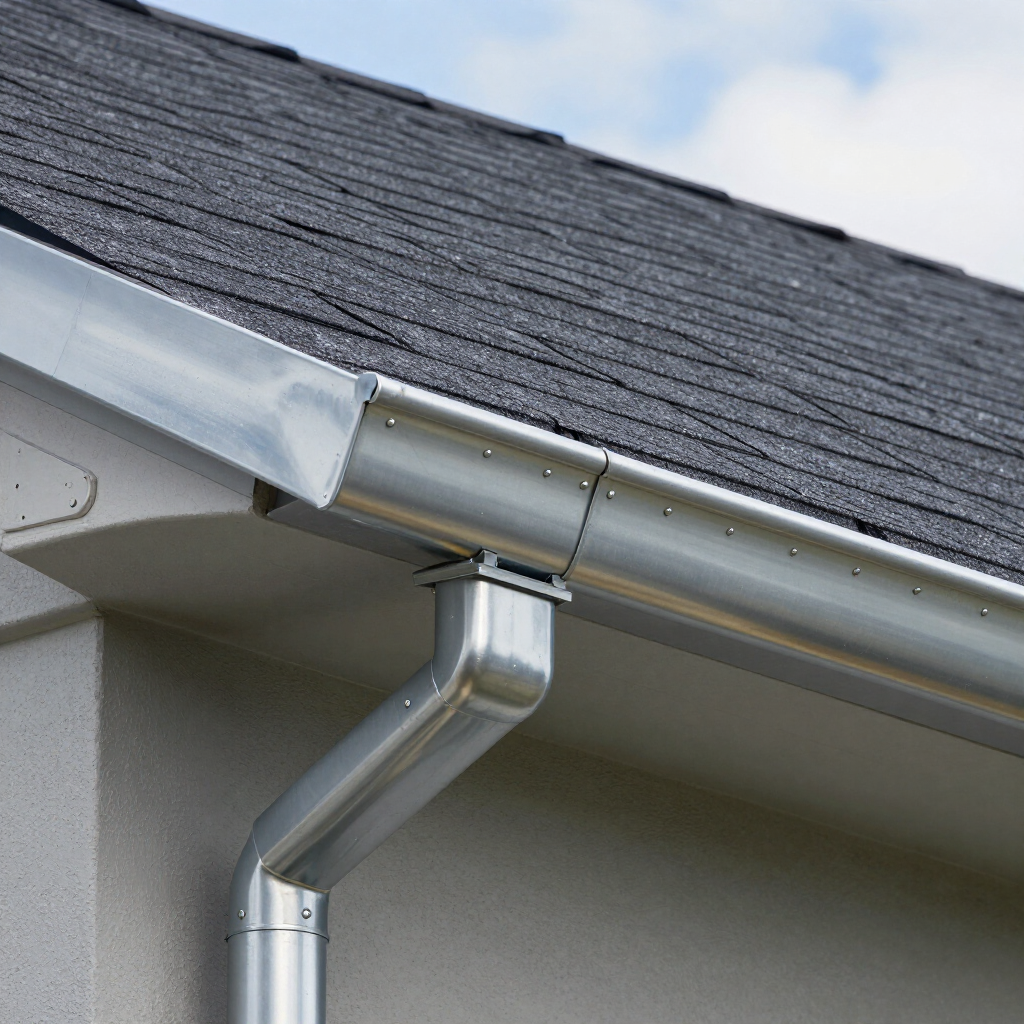
Modern seamless aluminum gutter systems are designed to accommodate expansion through proper fastening techniques and continuous fabrication. When installed professionally during gutter installation in Phoenix, Arizona, aluminum systems flex safely without joint failure.
Steel, while expanding less, carries its own trade-offs.
Galvanized steel relies on a protective zinc coating to resist corrosion. Over time, repeated expansion, dust abrasion, and moisture exposure during monsoons can compromise that coating. Once the protective layer degrades, rust becomes a serious risk.
So while steel may move slightly less in heat, aluminum avoids the corrosion cascade that steel can eventually experience.
In extreme Arizona heat, flexibility paired with corrosion resistance often outperforms rigidity with vulnerability.
Corrosion: The Silent Long-Term Threat
Phoenix is dry — until it isn’t.
Monsoon storms introduce moisture rapidly. When steel gutters are exposed to pooled water, especially in seams or joints, oxidation can begin.
Galvanized coatings slow corrosion but do not eliminate it indefinitely. Scratches from debris or installation wear can expose bare metal. In high-heat environments, protective layers degrade faster than in milder climates.
Aluminum, by contrast, forms a natural oxide layer that protects against rust. It does not corrode the same way steel does. Even after years of exposure, aluminum gutters Arizona homeowners install maintain structural integrity without rust penetration.
In terms of long-term durability, corrosion resistance is one of the most decisive factors when determining the best gutter material Phoenix homes require.
Strength and Impact Resistance
Steel is objectively stronger than aluminum in raw tensile strength. It resists denting more effectively under direct impact.
In regions prone to heavy snow loads or falling branches, steel might hold an advantage.
But Phoenix presents a different risk profile.
Snow load is irrelevant. Tree density is lower in many neighborhoods. The primary stressor is not weight accumulation — it is water flow during monsoon events and wind uplift.
Properly installed seamless aluminum systems handle monsoon runoff efficiently. Because they are lighter, they exert less stress on fascia boards and mounting hardware.
Steel’s added weight increases structural demand on attachment points, especially during heavy water flow. Over time, this can strain fasteners if installation is not meticulous.
In the context of Phoenix monsoon gutter protection, aluminum’s balance of strength and weight makes it highly effective when professionally installed.
Maintenance and Longevity
Homeowners often underestimate maintenance costs.
Steel gutters require vigilance. Rust spots must be treated early. Protective coatings may need periodic renewal. Any breach in galvanization can accelerate deterioration.
Aluminum systems demand less ongoing intervention. They resist corrosion naturally and hold paint finishes well under UV exposure.
In a climate where heat already taxes roofing materials, simplifying maintenance reduces long-term ownership stress.
When evaluating aluminum gutters Arizona residents commonly choose, one of their strongest advantages is lifecycle simplicity.
A system that maintains performance without frequent intervention aligns with long-term value.
Cost Considerations and Perceived Value
Steel gutters often carry a higher upfront cost, particularly if stainless steel is selected. Galvanized steel may be closer in price to aluminum, but installation complexity and potential maintenance offset initial differences.
Aluminum offers a compelling balance:
Affordable initial investment
Strong corrosion resistance
Lightweight structural compatibility
Compatibility with seamless fabrication
For most homeowners seeking gutter installation in Phoenix, Arizona, aluminum delivers strong performance-to-cost alignment.
And in behavioral terms, homeowners are most satisfied when long-term outcomes justify initial decisions. Materials that avoid surprise repair expenses create that satisfaction.
Aesthetic Durability in Harsh Sunlight
Phoenix sunlight is unforgiving.
Paint finishes fade. Surfaces chalk. Materials discolor.
Aluminum gutters typically feature baked-on enamel finishes designed for UV resistance. These coatings hold color integrity well in desert environments.
Steel gutters, particularly if coatings degrade or rust develops beneath paint layers, can show discoloration more visibly.
Curb appeal matters. Especially in competitive Phoenix housing markets.
When choosing the best gutter material Phoenix homeowners must consider not only performance, but appearance stability over time.
Seamless Fabrication: A Critical Variable
Material is only part of the equation.
Seamless systems significantly outperform sectional systems in leak prevention. Aluminum is especially well-suited for seamless on-site fabrication during installation.
Fewer joints mean fewer failure points during monsoon downpours.
Steel can also be fabricated in seamless formats, but aluminum’s flexibility and lighter weight make installation more efficient and adaptable to varied rooflines.
When Phoenix monsoon gutter protection is the objective, minimizing leak points is paramount.
Professional installation ensures proper pitch, secure fastening, and optimized downspout placement — factors often more influential than raw material strength alone.
So What Truly Lasts Longer in Phoenix?
When evaluating longevity under extreme Arizona heat, high UV exposure, monsoon water volume, and corrosion risk, aluminum consistently demonstrates superior lifecycle performance for most residential applications.
Steel may offer higher impact resistance, but its susceptibility to rust in moisture-prone environments introduces long-term vulnerability.
Aluminum gutters Arizona homeowners install today are engineered specifically for climates like Phoenix — where heat endurance and corrosion resistance outweigh snow-load strength.
Longevity is not only about structural strength. It is about maintaining functional integrity year after year without progressive degradation.
In Phoenix, that equation favors aluminum.
The Strategic Choice for Desert Homes
Every home will face the same environmental realities:
Scorching summers
Sudden monsoon downpours
Intense UV exposure
Dust abrasion
The decision between aluminum and steel is not abstract. It is contextual.
For homeowners seeking reliable gutter installation in Phoenix, Arizona, aluminum systems provide:
Heat adaptability
Corrosion immunity
Lightweight structural compatibility
Strong cost-to-performance value
Long-term durability under desert stress
In other words, they align with the environmental demands of the Valley.
When the next monsoon arrives, the true test is not which material is theoretically strongest. It is which material continues performing after years of Phoenix extremes.
And for most homes, aluminum delivers that resilience.
If your current gutters are aging, rusting, or underperforming, upgrading to modern seamless aluminum systems may be the most strategic investment you can make before storm season.
In the desert, longevity is earned. Choose the material built to endure it.
Freewater Gutters LLC, Gutter Installers